
"Ethiopian natural"
3000 article(s) found

The characteristics of Ethiopian Coffee Flavor and Taste Manor introduce the varieties of Ethiopian coffee
The natural characteristics of coffee beans include large coffee beans.

Introduction of Sidamo coffee beans growing in Ethiopia's southernmost Ethiopian plateau
Sidamo / Solar, Natural drying or washing (Sundried or Nature Dry-Processed and Washed) grows in the southernmost Ethiopian Plateau between 4600 and 7200 feet above sea level (Sidamo Province), southeast of Jima, just south of the capital, usually sweet and more popular, its annual output is about 225000bags/60kg, the bean body is smaller and greener than Longberry.

How to drink Ethiopian coffee in Kafa forest, Ethiopia?
Professional Coffee knowledge Exchange more information about coffee beans Please follow the Coffee Workshop (official Wechat account cafe_style) Kafa forest, which is located in the south of Ethiopia. Kafa forest is rich in coffee tree resources, commonly known as Heirloom, that is, Ethiopian native species. The selection of bita in 2017 comes from these tree species.

Introduction to the characteristics of Ethiopian Coffee Flavor Manor
In February 1977, Lieutenant Colonel Mengistu Haier Maryam (MENGISTU HAILE MARIAM) launched a military coup and served as Chairman of the interim military Administrative Council and head of State. In 1979, the Ethiopian Labor people's Party Organization Committee, dominated by soldiers, was established to implement an one-party system. In 1984, the Ethiopian Workers' Party was formed according to the Soviet Communist Party model. Mengistu, September 1987

Yega Chuefei Red Cherry Project Story Chelba Charbaye Coffee beans characteristics
For the exchange of professional baristas, please follow the coffee workshop (Wechat official account cafe_style) Product name: Yega Sheffield Gedeo Chalba Yirgacheffe Gedeo Chelba Home: Ethiopia Ethiopia producing area: Yega Sheffield Gedeo Yirgacheffe Gedeo and other grades: Grade 1 treatment method: sun treatment Natural Process species:

Coffee beans suitable for hand flushing what coffee beans do you use? Ethiopian coffee, Gemma organic coffee.
Professional coffee knowledge exchange more coffee bean information please follow the coffee workshop (Wechat official account cafe_style) click to see more hand-brewed coffee beans Ethiopia Jima Akmanu calendar sun (organic certification) Ethiopia Jimma Akmel Nuri natural (organic certificated) producer: Ethiopia production area of Ethiopia

What are the quality characteristics of Essel coffee beans? what is the difference in flavor between Yega Xuefei washing and sun treatment?
Professional coffee knowledge exchange more coffee bean information please follow the coffee workshop (Wechat official account cafe_style) front street-Ethiopia coffee ranking, washing, sun exposure brief introduction with unique natural conditions in Ethiopia, suitable for growing all imaginable coffee varieties. Esseobi

Ethiopian Harar Boutique Coffee
Specialty coffee is also known as specialty coffee. It refers to coffee made from green beans with excellent taste characteristics grown in a few extremely ideal geographical environments. Depending on the particular soil and climatic conditions in which they are grown, they have outstanding flavors. This type of coffee is carefully selected and graded for its hard texture, rich taste and wind.

Ethiopian Sidamo Coffee beans 90+Ninety plus how much is Sidamo Coffee
Professional coffee knowledge exchange more coffee bean information please follow the coffee workshop (Wechat official account cafe_style) Ethiopia is the birthplace of coffee. Ethiopian coffee has the same deep cultural accumulation as Chinese tea. Ethiopian coffee is called the coffee of the wilderness, and a cup of Ethiopian coffee can bring you a primitive experience you've never had before. Ethiopia is blessed with

Introduction to the characteristics of Coffee Flavor and Taste varieties in Xidamo Shaqiso producing area
In July 1991, EGF hosted a national conference with the participation of more than 20 political and ethnic organizations. The meeting adopted the Transitional Charter and elected an 87-member House of Representatives, with EGF Chairman Meles Zenawi as President of the Transitional Government and President of the House of Representatives. A transitional government was established. On May 24, 1993, Eritrea (formerly Eritrea Province of Ethiopia) adopted the International Community.
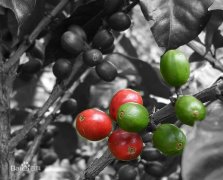
Ethiopian coffee specialty boutique coffee
Ethiopian coffee features natural characteristics of coffee beans include large

Ethiopia 90 + Candle Mang Coffee beans Flavor characteristics, taste and aroma description of Brazilian Ethiopian coffee
Professional barista exchanges please follow the coffee workshop (Wechat official account cafe_style) LEVEL UP 90 + Candle Kingdom Home: Ethiopia Ethiopia production area: 90+SNNP, Sidama (Sidamo) Haiba: 1750-2000 m treatment: sun treatment Natural Process species: Ethiopian native species Ethiopian Heirloom shallow roasting

Introduction to the taste of coffee beans by describing the characteristics and flavor of coffee beans in Ethiopia
Ethiopian coffee bean flavor description introduces that Ethiopian coffee should be the only pollution-free green organic coffee in the world. Today, Ethiopia still uses traditional planting methods to artificially care for coffee trees, and fertilizers are mainly fallen leaves, withered grass and animal manure, replacing harmful pesticides and herbicides used on a large scale in other coffee-producing countries in the southwestern highlands of Ethiopia. Kafa

Guotintin Cooperative Ethiopian Coffee the world's tallest farm
Professional coffee knowledge exchange more coffee bean information please follow the coffee workshop (Wechat official account cafe_style) Ethiopia Godding Cooperative Natural Fair Trade Organic Coffee, this naturally processed coffee comes from family farmers around the Banko Gotiti Cooperative in southern Gedeb, Ethiopia

Ethiopian coffee taste
Ethiopian Coffee Taste concern Review (official Wechat account vdailycom) found that the natural characteristics of coffee beans in a beautiful cafe to open its own small shop include large

The Development of Ethiopian Coffee beans in the course of Coffee Harald Coffee
Harar Harald, a name that reflects the rise and fall of Ethiopia. The Montenegro region of Harald is by far the only place in the world with wild coffee, which is auctioned in London every year. The secret of producing high-quality coffee is that coffee farmers have developed a coffee culture in a suitable environment through repeated learning of the coffee planting process for several generations.

The planting system of Ethiopian coffee is roughly divided into four types.
The planting system of Ethiopian coffee is roughly divided into four categories: 1) primeval forest coffee (Forest Coffee:8-10%) 2) semi-virgin forest coffee (Semi-forest Coffee: 30-35%) 3) Manor coffee (Garden/Cottage: 50% mae 55%) 4) Enterprise coffee cultivation (Plantation Coffee: 5-6%) specifically: primeval forest coffee belongs to the category

Taste characteristics of Ethiopian Coffee Manor Flavor description and introduction of varieties producing areas
Ethiopian coffee beans grow in close to the natural environment, after years of planting under the same growth conditions, Ethiopian coffee beans have gradually adapted to the environment here. More than 60% of coffee beans are grown in forests or semi-forests. Large-scale coffee-growing villages account for about 35% of the country's total coffee production. Many of these are used.

Introduction to the grinding scale of varieties produced by the flavor description method of Ethiopian Lion King Coffee Bean
Ethiopian Lion King Coffee Bean Flavor description treatment Variety Grinding scale in producing areas Coffee flavors in Sidamo are very diverse, with different soil types, microclimates and countless native coffee varieties, which makes the coffee produced in each town have obvious differences and characteristics. In 2010-12, it won the authoritative coffee review website coffee review in the United States for three times in a row.

A brief introduction to the Market Price of Ethiopian Fine Sidamo Coffee varieties
The highest grades of Ethiopian washed coffee Yega Chuefei G1 G2 Sidamo (Yirgacheffe, Sidamo) are Grade 2 and Grade 3 (G2, G3), while most of the sun-processed coffee in eastern Ethiopia are Grade 4 or Grade 5 (G4, G5). In many cases, level 4 coffee is marked as level 5 in order to reduce taxes. At present, the grading is not uniform and messy, because there is also sun processing.